
Down the chestnut rabbit hole
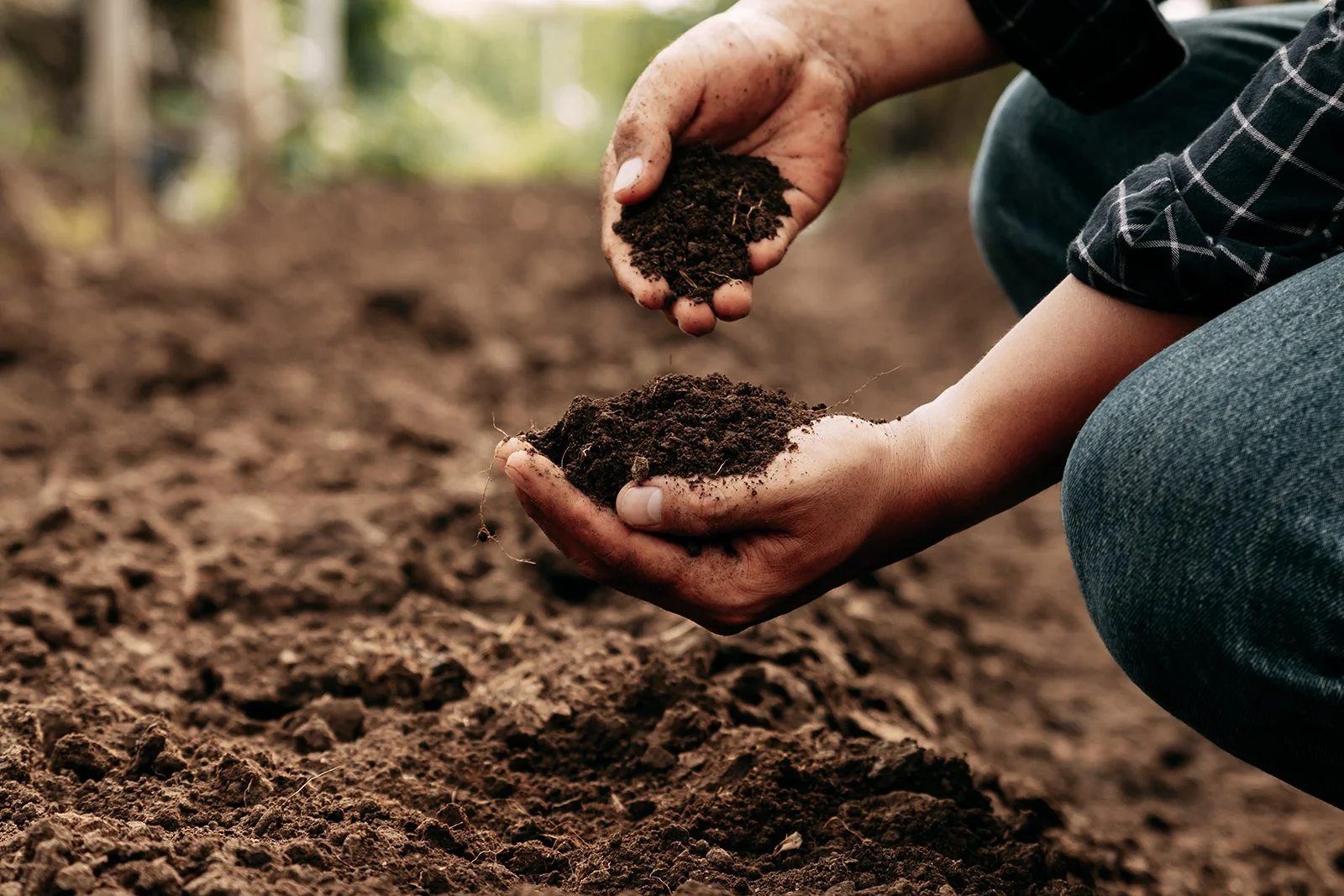
It was the dregs of winter 2025. I was exhausted. After surviving several “chocolate holidays” in a row, the only thing keeping me afloat was hiding in my office, armpit-deep in spring planting daydreams.
While I initially considered planting chestnuts for wildlife, my research—and a relentless Facebook algorithm—soon revealed a bigger opportunity: culinary orchards. I discovered a market where demand for chestnuts far exceeds supply, and my blurry daydreams began to take a very specific shape.
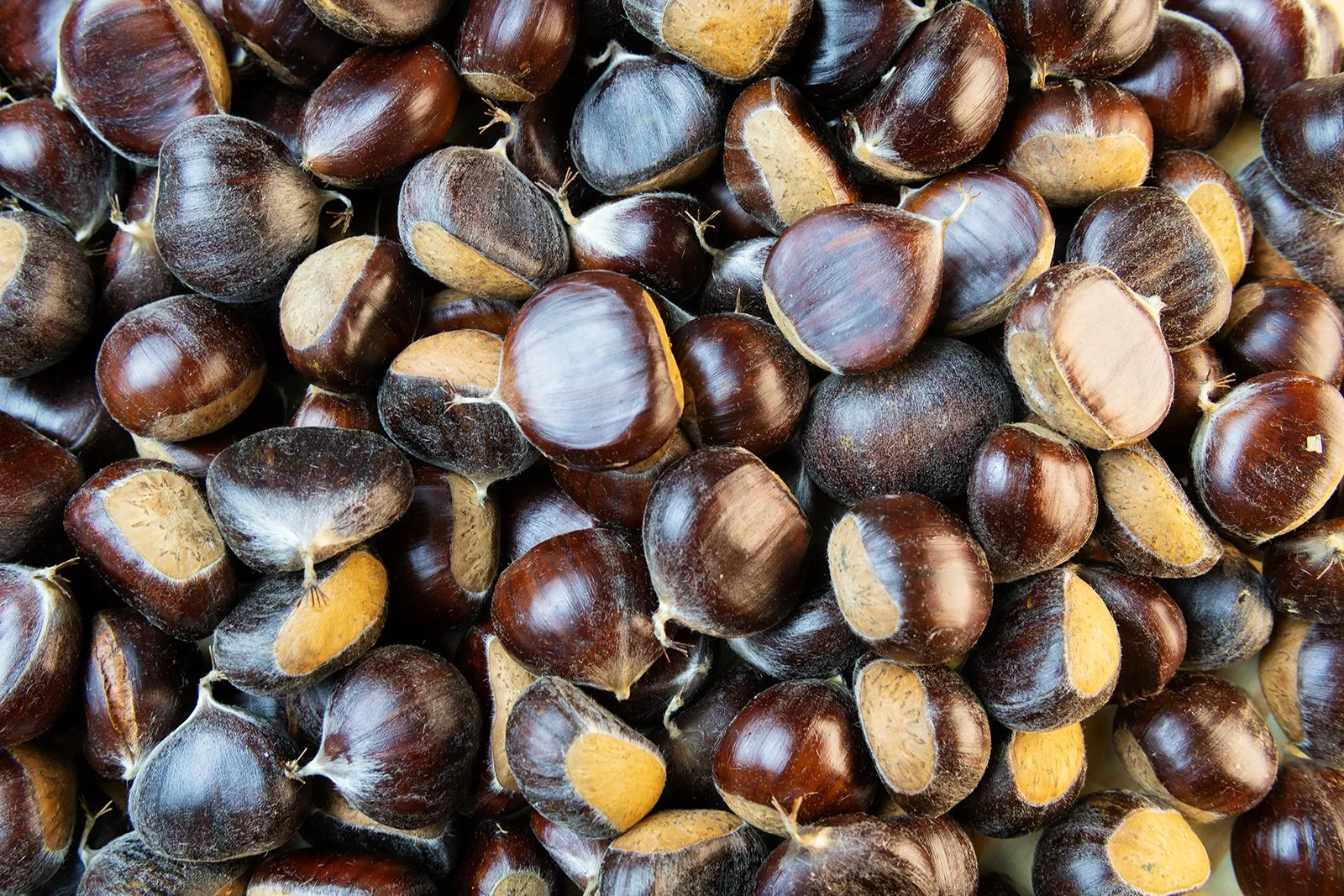
The Search for the Perfect Tree
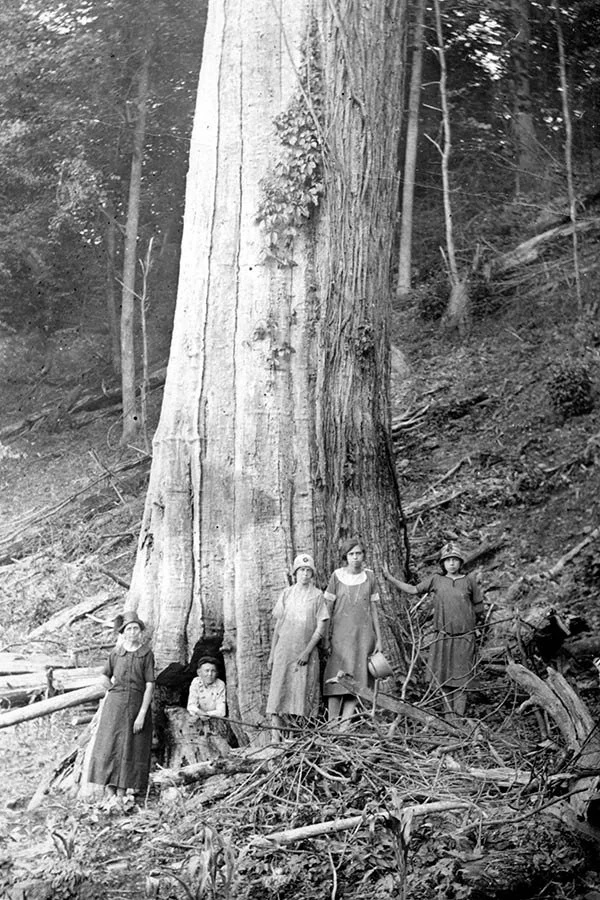
The legendary American Chestnut is a giant, reaching up to 100 feet with exceptionally sweet nuts. Unfortunately, they are also highly susceptible to chestnut blight, making them a risky bet for long-term production.
In the U.S., most growers turn to the Chinese Chestnut. These trees produce nuts the size of golf balls and, more importantly, have spent centuries evolving a natural resistance to blight. Unlike traditional crops like corn or soybeans, chestnuts require fewer chemical inputs and produce year after year once established. To me, it looked like a potential retirement plan.
Facing the Skeptics
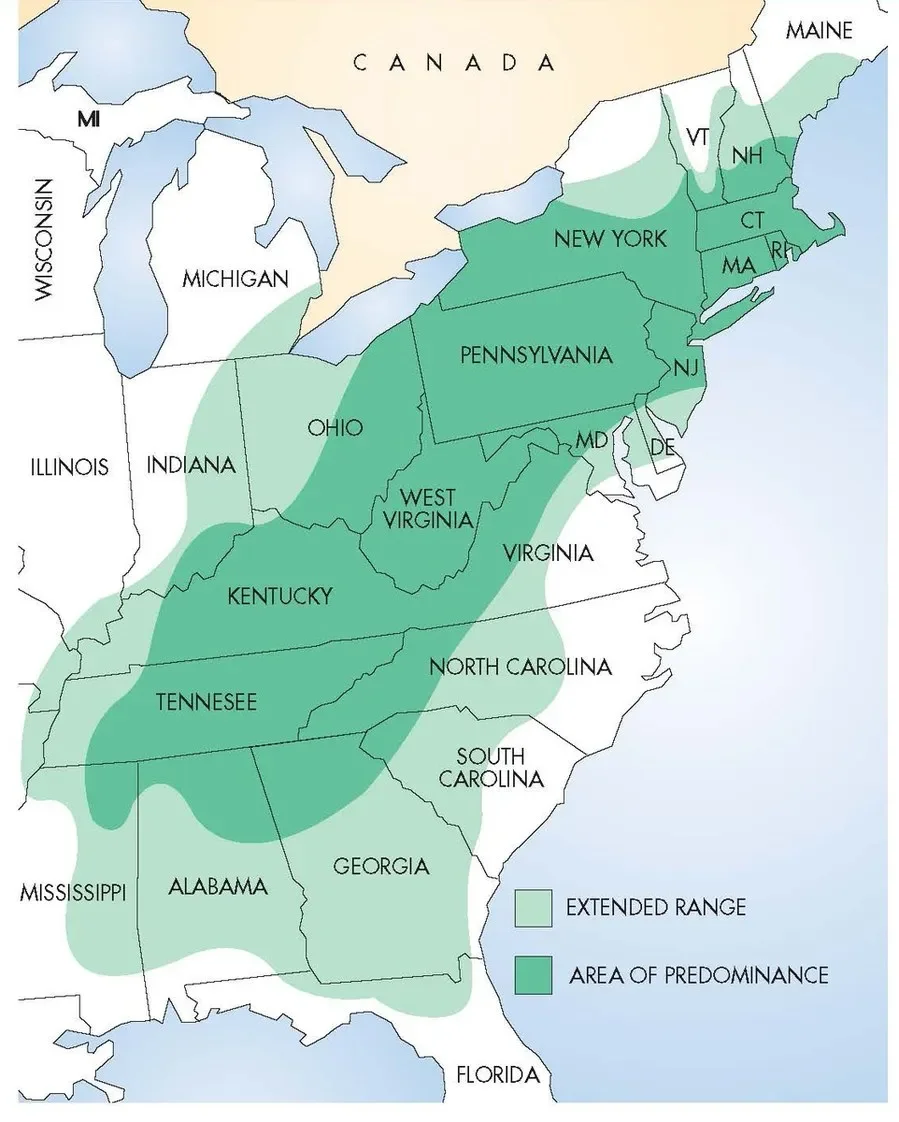
Native range of the American Chestnut, Penn State Extension Service
I hit a snag when I looked for local precedents. Minnesota sits outside the original range of the American Chestnut, though a few (including one in my own backyard) have survived here for years. When I turned to an online grower group for cultivar suggestions, the response was underwhelming.
“See what has been successful for your neighbors,” one member advised. My neighbors grow corn, soybeans, and the occasional cut flower. Another member simply remarked, “This ought to be interesting,” offering more skepticism than suggestions.
The Power of “No”
The doubt didn't deter me; it fueled me. A study from North Carolina State University found that entrepreneurs often become more committed when told they will fail. I’ve lived this before.
When we opened St. Croix Chocolate Company, a customer stopped in to “wish us well” by saying, “I give you a year.” Statistically, she wasn't wrong. We were a fine chocolate shop in a town of 700 people during the wake of the Great Recession. I smiled pleasantly, but her words burned into my brain. Every time I struggled, I thought of her — and I pushed harder.
Why Not Minnesota?
I’ve searched for a compelling reason not to try this, and I can’t find one that fits my logic. Successful orchards already exist in Michigan, Missouri, and Iowa.
If climate was once the barrier, the world is changing fast — and the odds are shifting in the chestnuts' favor.