
WHAT WE GROW AND SELL
specialty nuts, fruits, & MORE
chestnuts
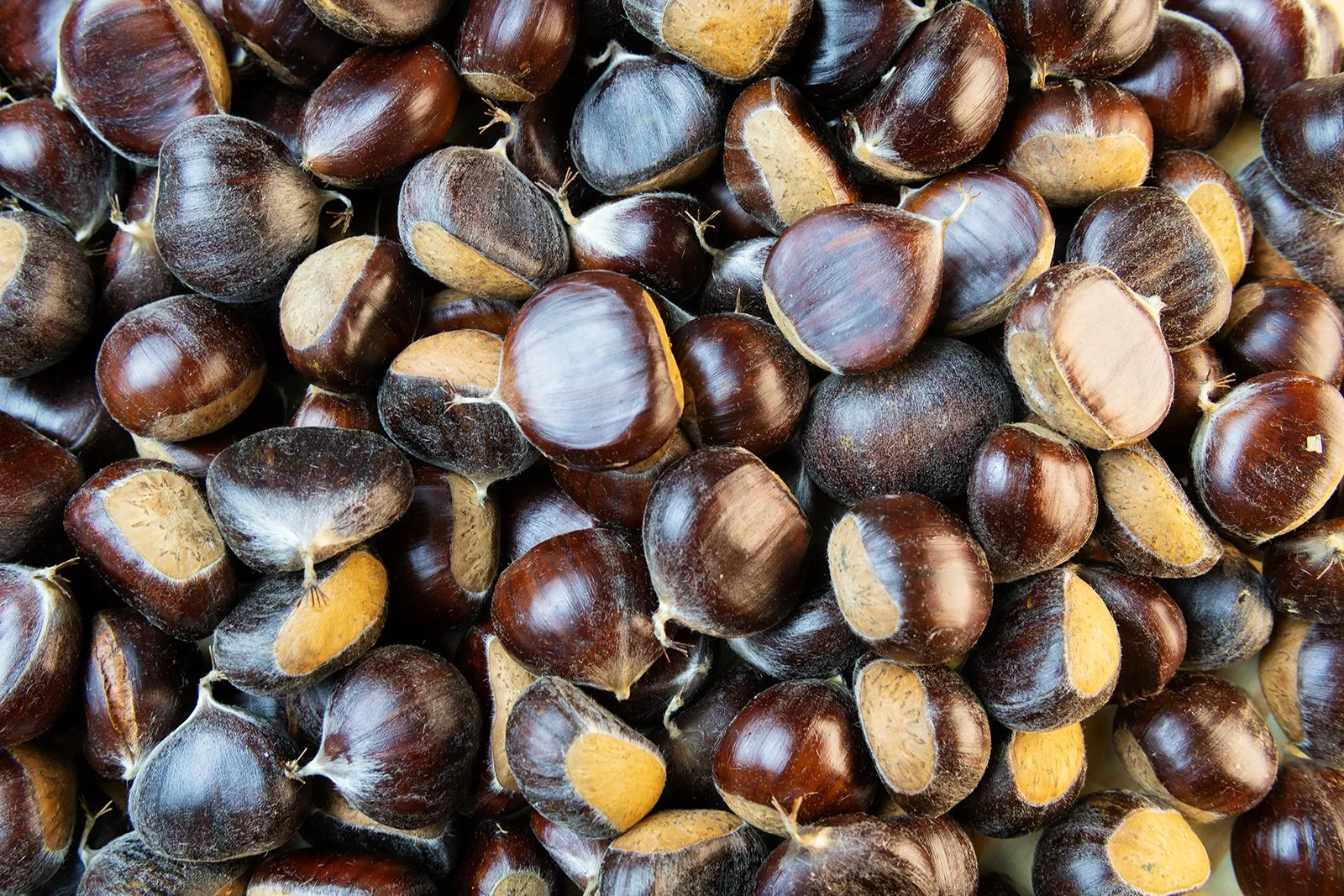
What can you do with chestnuts? A better question is what can’t you do?
Chestnuts can be eaten raw or roasted out of hand as snacks, roasted with fall and winter dishes, turned into a spread to slather on toast, candied, and milled into gluten-free flour for use in pasta, for starters.
Fun fact: Chestnuts are nutritionally more like a grain than a nut—low in fat and high in complex carbohydrates.
Weirdly fun fact: Chestnuts have funky flowers that are reported to smell salty and earthy when blooming, and the nut develops in a spiky ball called a bur. When the nuts are ripe, they fall out of the burs onto the ground, where they can be collected.
Slightly-related even more weird fun fact: The notion of being nostalgic for something you didn’t experience, such as “chestnuts roasting on an open fire,” is called anemoia.
Why we’re growing them: Mostly, to see if we can. Chestnuts haven’t done well in super cold climates, but climate change might begin to make it possible. Also, as a perennial crop, we don’t have to till, seed, and apply nearly as many fertilizers as row crops, which have traditionally dominated Minnesota farms. Oh, and the fact that domestic demand far outstrips supply, so there’s a huge financial upside once we get to harvest.
Elderberries
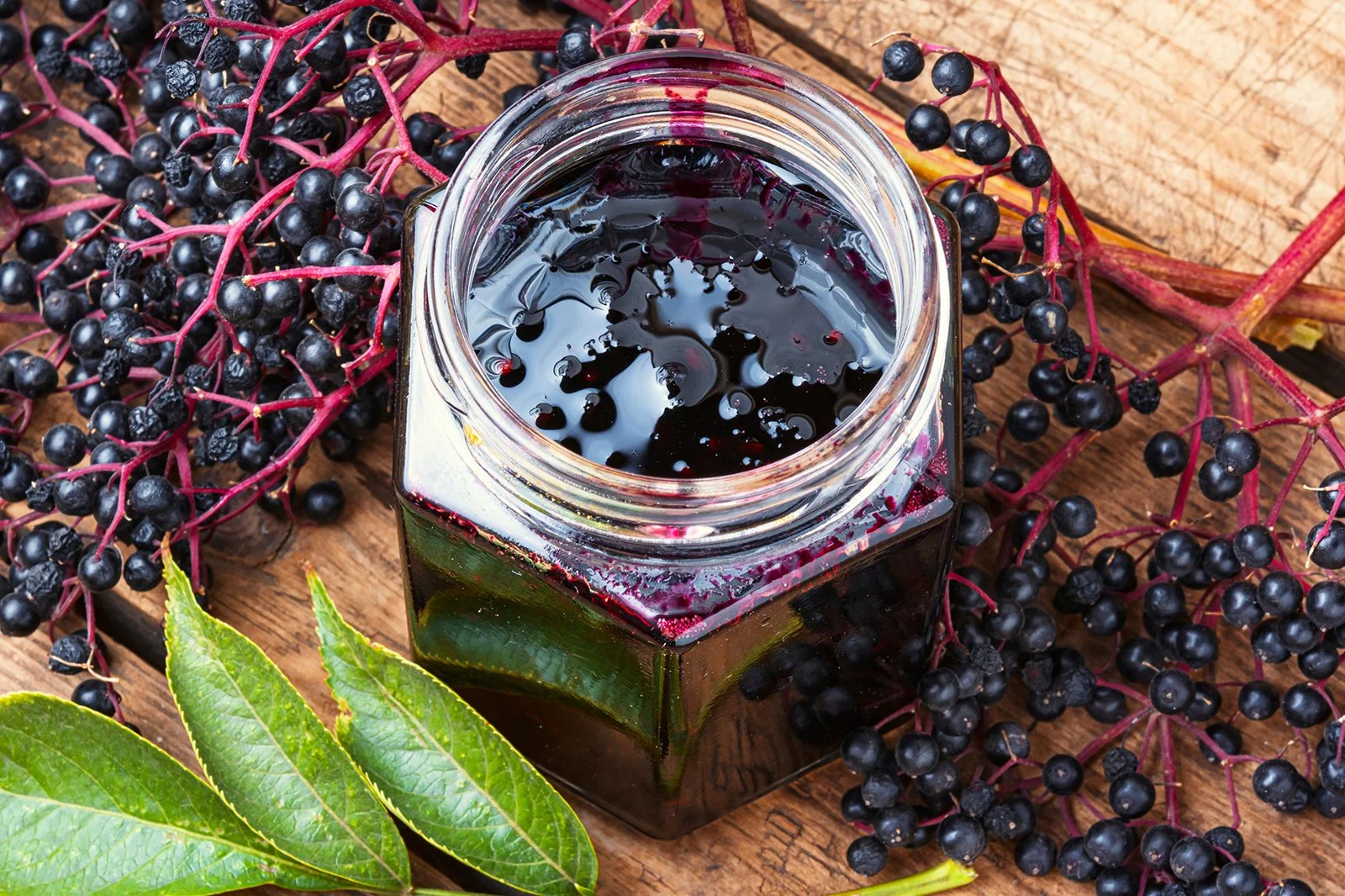
What can you do with elderflowers or elderberries?
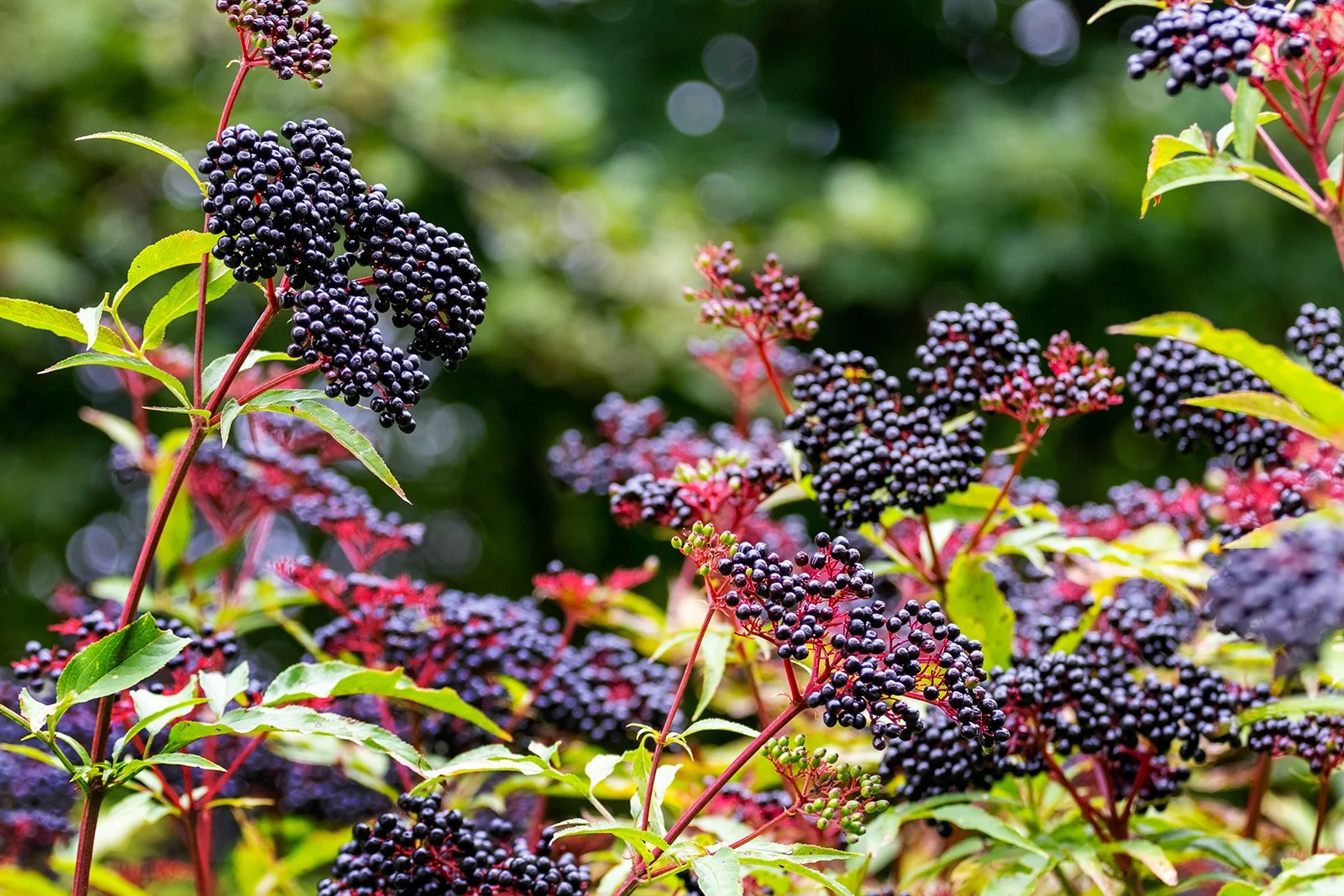
Robyn’s mom used to make jelly from the berries, which she picked wild. We plan to carry on the family tradition, but elderberries can be used in almost any way other fruits can be used: In wine, in breads, added to smoothies, made into pancake syrup, you name it. We plan to freeze dry some, so antioxidants are easily available as a powder, as well.
Fun Fact: Elderberries are hailed as “nature's medicine cabinet” due to their centuries-old, documented use in treating cold, flu, and sinus infections. Their popularity skyrocketed during COVID.
Weirdly fun fact: Elderflowers are the blooms of elderberries and are used in cordials, syrups, and teas because of their intoxicating scent. But if you pick the elderflower, there’s nothing to grow into elderberries.
Slightly-related even more weird fun fact: The name elderberry has nothing to do with being old or wise. It comes from an Anglo-Saxon word, which meant “fire” because its hollow stems were used as bellows to start fires back in the day. The botanical name (Sambucus) comes from the Greek word for an ancient stringed or wind instrument made from the plant's hollow branches.
Why we’re growing them: Elderberries are easy to grow (we’ve heard), and the market for them is booming. When the elderberries are mature, they’ll need all of the sun in the field. But that will take a long time. So while there’s sunlight available, we have chosen to “alley-crop” fruits between the rows of immature trees.
black Currants
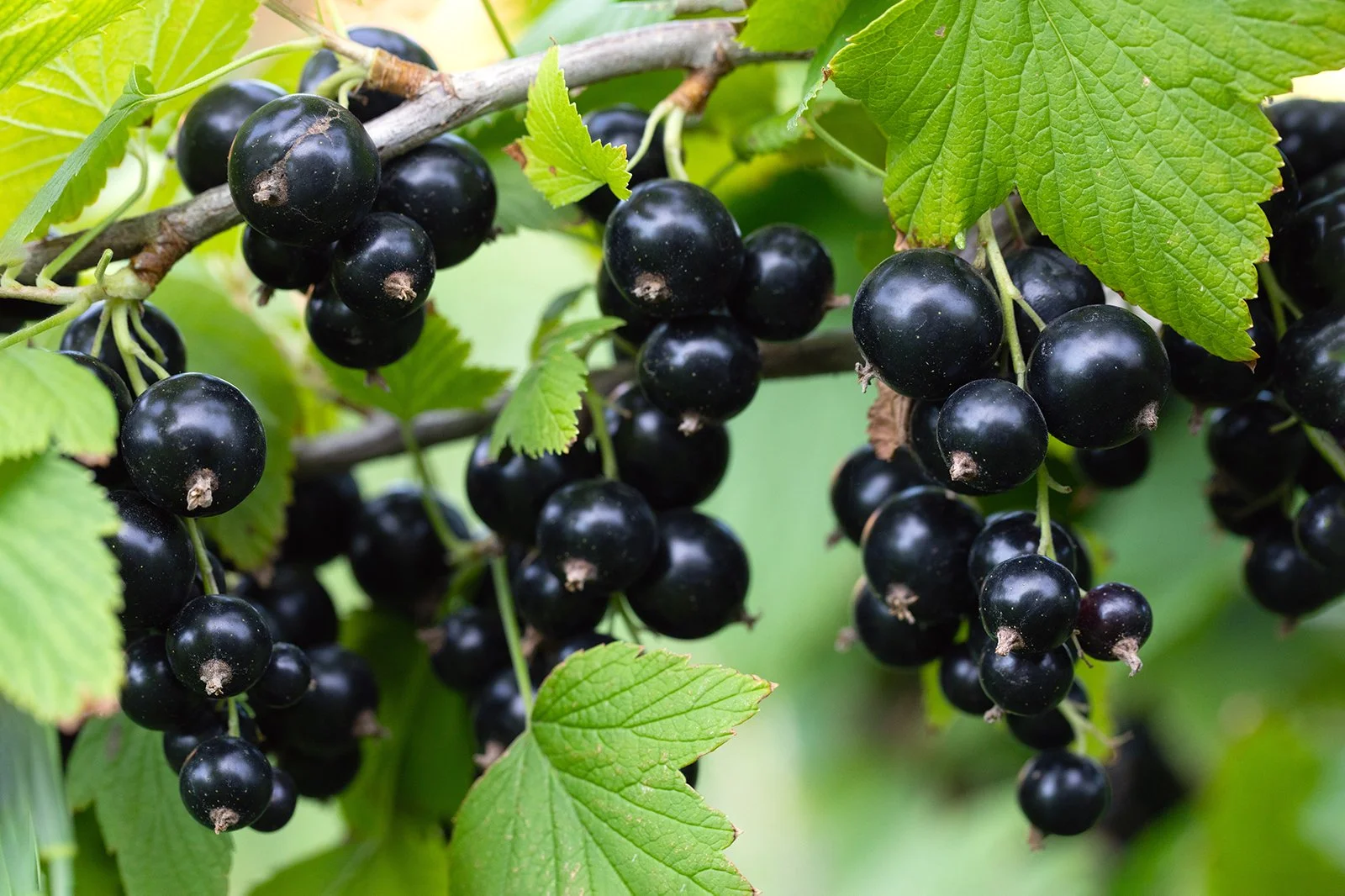
What can you do with black currants?
Black currants make a lovely liqueur and are gaining popularity in craft spirits and beers. The tart berries are perfect for jellies, cordials, and baked goods like scones, muffins, and cheesecakes. They also make a nice chutney to accompany lamb, beef, or game.
Fun Fact: Known for a sharp, tangy, and earthy flavor, black currants are highly regarded for their immense vitamin C content—often 3-4 times higher than oranges. In England during WWII, they were substituted for citrus, which was almost impossible to find.
Weirdly fun fact: For 55 years,currants were the forbidden fruit, federally banned in the U.S. because they were “unwilling accomplices” in spreading a fungus that threatened the timber industry. There are now many cultivars that are resistant to the culprit, white pine blister rust. Known as cassis in Europe, black currants are just now getting a proper glow-up in the U.S.
Slightly-related even more weird fun fact: Because of the effects of the ban, purple Skittles are grape-flavored in the United States, whereas they are blackcurrant-flavored in the UK and some European countries.
Why we’re growing them: Chocolatiers worldwide use cassis as an ingredient, and in her second story, Robyn learned to love their intensity. We expect the market to grow, and we know we can use them in many ways.